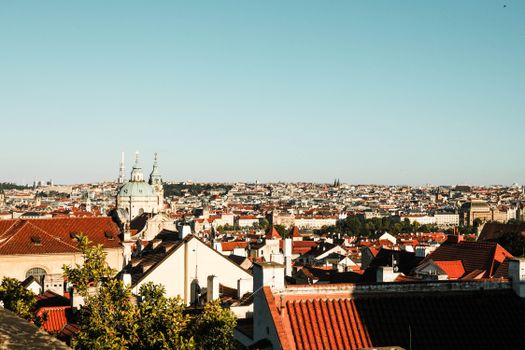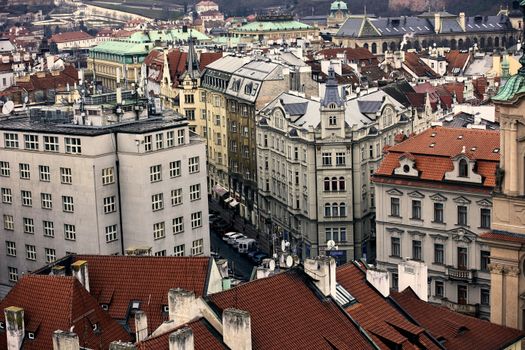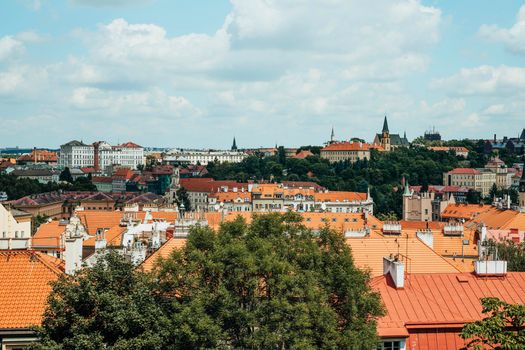
Prague is often celebrated for its fairy-tale skyline, historic charm, and vibrant nightlife. Yet, beneath the city’s cobblestoned streets and Gothic spires lies a rich, ever-evolving art scene and a calendar brimming with cultural events that rival any European capital. For locals and travelers alike, navigating Prague’s creative pulse can be both exhilarating and overwhelming. From contemporary galleries tucked away in industrial spaces to centuries-old opera houses, the city offers a kaleidoscope of experiences for every taste. This guide will help you unlock the secrets of Prague’s art and culture, discover must-visit venues, and make the most of your time in this artistic powerhouse.
Decoding Prague’s Dynamic Art Districts
Prague’s art scene is not confined to one neighborhood. Instead, it pulses through several distinctive districts, each with its own creative energy.
The historical heart, Prague 1 (Staré Město and Malá Strana), is home to the National Gallery’s flagship locations, including the Trade Fair Palace (Veletržní Palác), which boasts the largest collection of modern and contemporary art in the country. Here, you’ll find works by Czech masters like František Kupka and Alfons Mucha alongside international icons such as Pablo Picasso and Gustav Klimt.
Vinohrady (Prague 2) and Letná (Prague 7) are the city’s contemporary hotspots. Vinohrady offers a blend of independent galleries and stylish cafes, while Letná’s industrial past has been reimagined with avant-garde galleries like DOX Centre for Contemporary Art, which attracts over 100,000 visitors annually. Holešovice (also in Prague 7) is known for its creative clusters and alternative spaces, such as the Trafo Gallery and Chemistry Gallery, which focus on emerging Czech talent.
To truly experience Prague’s creative diversity, venture beyond the tourist-laden center and explore these neighborhoods. Many venues participate in the annual Prague Gallery Weekend, held each May, when dozens of galleries open their doors to the public for free, offering curator-led tours and artist talks.
Essential Art Institutions and Hidden Gems
While Prague’s major museums provide a strong foundation, the city’s artistic identity is just as vividly expressed in its smaller, offbeat spaces. Here’s a comparison of the most influential institutions and lesser-known venues that define the city’s art scene:
| Venue | Type | Specialization | Average Annual Visitors | Location |
|---|---|---|---|---|
| National Gallery Prague (Veletržní Palác) | Museum | Modern & Contemporary Art | 450,000+ | Prague 7 |
| DOX Centre for Contemporary Art | Gallery & Event Space | Experimental Contemporary Art | 100,000+ | Prague 7 |
| MeetFactory | Multi-Arts Center | Visual Art, Theatre, Music | 60,000+ | Smíchov |
| Galerie Rudolfinum | Gallery | International Contemporary Art | 50,000+ | Prague 1 |
| Hunt Kastner | Private Gallery | Emerging Czech Artists | n/a | Žižkov |
| Artwall Gallery | Outdoor Gallery | Public Art, Urban Interventions | n/a | Embankment (Letná) |
In addition to these, you’ll find pop-up exhibitions in repurposed warehouses, street art tours in Žižkov, and performance art events in spaces like Jatka78, a contemporary circus and theatre venue. For those interested in photography, the Leica Gallery Prague and Fotograf Gallery showcase both Czech and international photographers, often hosting talks and workshops.
Exploring Prague’s Cultural Calendar: Festivals and Events
Prague’s cultural calendar is packed with events spanning visual arts, music, film, and performance. Key highlights include:
- $1 (late May–early June): One of Europe’s oldest and most prestigious classical music festivals, attracting over 30,000 visitors each year. - $1 (October): A citywide celebration of light art and digital installations, drawing more than 500,000 people annually and transforming historic sites into immersive experiences. - $1 (October): Central Europe’s largest design and fashion show, showcasing over 200 brands and designers. - $1 (every four years): The world’s largest event dedicated to scenography and performance design, with participants from over 70 countries. - $1 (August): A festival dedicated to contemporary circus and theatre, bringing together Czech and international performers.Many events offer free or reduced admission to students, and some, like the Signal Festival, are entirely open to the public. For film lovers, the Febiofest International Film Festival in March and Karlovy Vary International Film Festival (held 90 minutes from Prague) are not to be missed.
When planning your visit, check the official Prague City Tourism website or the GoOut.cz platform for up-to-date listings. Many venues publish their programs in English, and apps like ArtMap or the Prague Art Guide are invaluable for navigating exhibitions and cultural happenings.
How to Engage with Local Artists and Creative Communities
One of the greatest joys of exploring Prague’s art scene is the opportunity to interact with the creative minds behind the work. Many galleries, such as DOX and MeetFactory, offer artist residencies, open studios, and workshops where the public can engage with artists directly. The Prám Studio collective, located in a former industrial building, regularly hosts open studio days and collaborative projects.
Art cafés like Café Jedna (adjacent to the National Gallery) and Kavárna co hledá jméno (in a converted warehouse) serve as informal hubs for artists, writers, and musicians. Here, you might stumble into an impromptu poetry reading or a live painting session.
For those interested in supporting local talent, the annual Art Prague fair (April) gathers dozens of galleries and independent artists under one roof, offering a chance to purchase works directly. Many artists are open to commissions or private studio visits—don’t hesitate to reach out via social media or gallery contacts.
If you’re seeking a more structured experience, guided tours led by art historians or curators are available in English, often focusing on specific themes like Czech Cubism, street art, or women artists. These tours provide context and insider anecdotes that bring Prague’s artistic landscape to life.
Tips for Navigating Language, Etiquette, and Accessibility
While English is widely spoken in Prague’s art world, especially at major institutions, some smaller galleries and events cater primarily to locals. Here are a few tips to ensure a smooth and enjoyable experience:
- $1: Look for galleries and events marked “EN” or “English-friendly.” Major museums offer English labels, audio guides, and catalogs. For smaller venues, basic Czech phrases (like “Dobrý den” for hello) are appreciated. - $1: Many galleries close on Mondays and may have shorter hours on weekends. Always check the venue’s website before visiting. - $1: Museum tickets range from 100–350 CZK (about €4–€14), with discounts for students, seniors, and families. Some galleries are free or accept voluntary donations. - $1: Most major institutions are wheelchair-accessible, but historic buildings may pose challenges. The DOX Centre, National Gallery, and Rudolfinum provide barrier-free access. - $1: Flash photography is often prohibited; some galleries allow photos for personal use, but always check signage or ask staff. - $1: There’s no formal dress code for art venues, but smart-casual attire is typical for evening openings or performances.If you have specific accessibility needs, contact the venue in advance. Prague’s public transport system is highly efficient, with trams and metro stations serving all major art districts.
Why Prague’s Art Scene Is a Must-Experience
Prague’s art scene is as multifaceted as the city itself: historic yet cutting-edge, local yet cosmopolitan, accessible yet endlessly surprising. According to the European Cities Monitor, Prague ranks among the top 10 European cities for culture, with over 60 museums, 100 galleries, and more than 40 annual festivals. Whether you’re an art connoisseur or a curious traveler, the city’s creative energy is palpable in every corner, from street murals in Žižkov to avant-garde installations in Letná.
With a bit of planning and curiosity, you can immerse yourself in world-class exhibitions, discover emerging talents, and witness the city’s unique blend of tradition and innovation. The key is to explore beyond the obvious, engage with the community, and let Prague’s artistic soul surprise you.