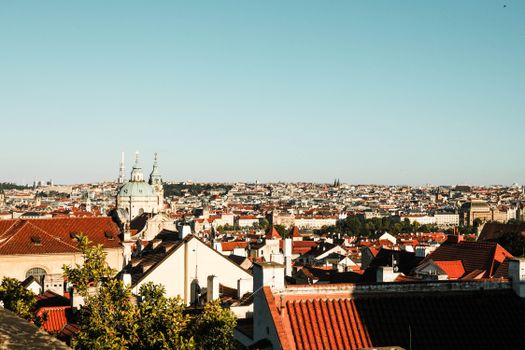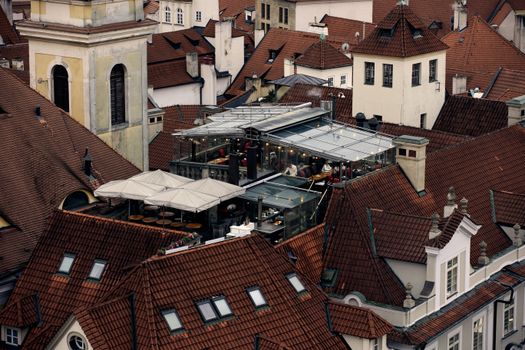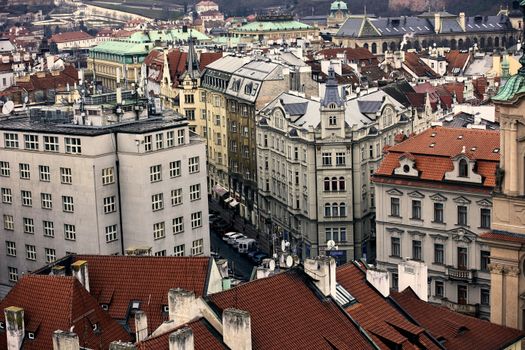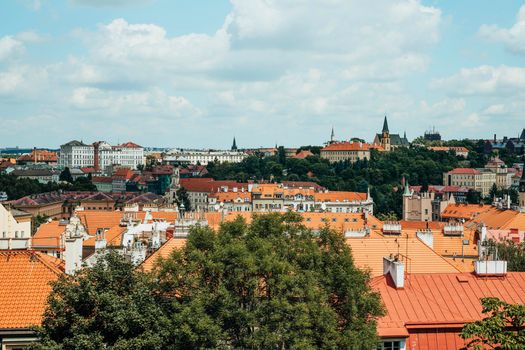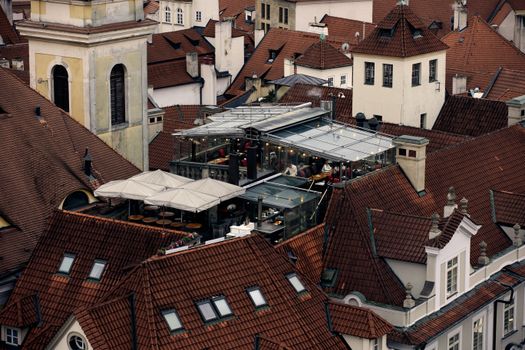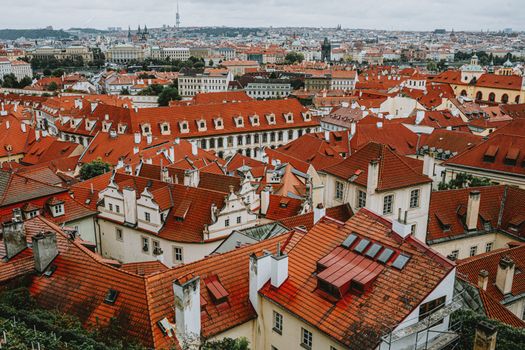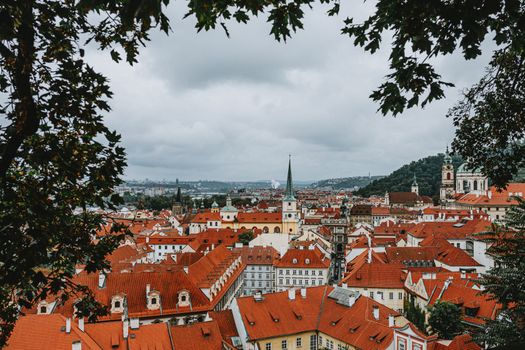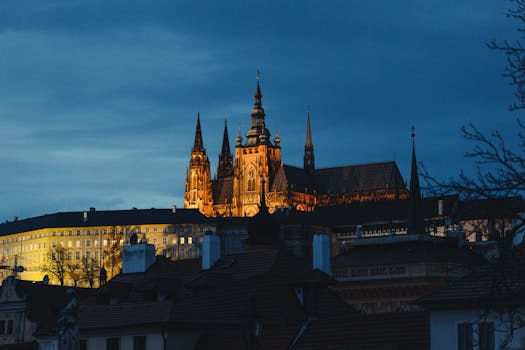
The Czech Republic often conjures images of Prague’s dramatic skyline, fairy-tale castles, and medieval squares. But beyond the capital’s allure lies a tapestry of rolling hills, sun-drenched meadows, and ancient forests dotted with some of Europe’s most charming villages. The Czech countryside offers not only peace and authenticity but also glimpses into centuries-old traditions, stunning architecture, and landscapes that seem untouched by time. Whether you’re seeking rustic tranquility, local gastronomy, or photogenic scenery, exploring the Czech Republic’s villages is a journey into the heart of Central Europe.
Why the Czech Countryside Deserves Your Attention
While Prague welcomes over 8 million visitors annually, the Czech countryside remains an underexplored gem. More than 30% of the country’s population still resides in rural areas, preserving a way of life that’s deeply connected to both nature and tradition. Many of these villages date back to the Middle Ages, featuring UNESCO-listed sites, timber-framed homes, baroque churches, and cobbled lanes.
Travelers who venture outside the main cities find not only fewer crowds but also lower prices, heartier hospitality, and opportunities for outdoor recreation. From the vineyards of South Moravia to the tranquil ponds of South Bohemia, each region boasts its own unique atmosphere and culinary specialties. According to the Czech Statistical Office, rural regions see tourism growth of nearly 7% per year, driven by interest in slow travel and authentic experiences.
Five Must-Visit Czech Villages for Every Traveler
Although the Czech Republic counts over 6,200 villages, a few stand out for their beauty, history, and visitor appeal. Here are five of the most picturesque—and why they should top your itinerary.
1. Holašovice (South Bohemia) This UNESCO World Heritage Site is a living museum of rural Baroque architecture. With just 140 inhabitants, Holašovice charms with its pastel-colored farmhouses and a perfectly preserved village green. The annual Holašovice Village Festival in July showcases traditional crafts and folk music. 2. Telč (Vysočina) Famous for its Renaissance square, Telč feels like a picture book come to life. The pastel arcades and ornate facades have earned it UNESCO status, while the surrounding fish ponds and woodlands invite peaceful walks. 3. Kuks (Hradec Králové) Set on the banks of the Elbe River, Kuks is best known for its grand Baroque hospital and a remarkable collection of sculptures by Matthias Braun. The village is also a gateway to the scenic Krkonoše foothills. 4. Štramberk (Moravian-Silesian) Nicknamed the "Moravian Bethlehem," Štramberk’s timbered houses huddle beneath a medieval castle tower. Visitors love the local gingerbread—Štramberské uši—baked to a centuries-old recipe. 5. Mikulov (South Moravia) Mikulov blends wine culture, Jewish heritage, and rolling vineyards into a sunlit escape on the Austrian border. The town’s hilltop chateau and annual Pálava Wine Harvest attract culture seekers and oenophiles alike.Architectural Heritage and Village Life
The Czech countryside is a showcase for diverse architectural styles, from painted Renaissance sgraffito to timbered cottages and Baroque chapels. Holašovice’s “South Bohemian Folk Baroque” combines rural practicality with decorative flair, while Telč boasts arcaded houses reminiscent of Italian piazzas.
Village life often centers on the náves (village green), a communal space for festivals, markets, and social gatherings. Many villages retain open-air museums, such as Rožnov pod Radhoštěm, where traditional wooden buildings are preserved and craftspeople demonstrate skills like weaving or blacksmithing.
Local festivals—whether celebrating harvests, Saints’ days, or pagan spring rites—offer a window into customs that have survived for generations. For example, the annual “Jízda králů” (Ride of the Kings) in Vlčnov, recognized by UNESCO as intangible heritage, features costumed riders and folk music in a unique springtime ritual.
Natural Attractions Surrounding Czech Villages
Rural Czechia is a paradise for hikers, cyclists, and nature lovers. Over 40,000 kilometers of marked trails crisscross the landscape, passing through forests, meadows, and hills. Many villages serve as trailheads for national parks and protected areas.
For example, Štramberk sits at the edge of the Beskydy Mountains, a UNESCO-listed biosphere reserve. Walkers can ascend the “Štramberská Trúba” tower for panoramic views or explore the nearby Kotouč limestone caves. In South Bohemia, the fishponds encircling villages like Třeboň form a unique aquatic ecosystem established in the 16th century—perfect for birdwatching and gentle cycling.
The wine trails of South Moravia wind through Mikulov and neighboring villages, offering tastings in centuries-old cellars. During autumn, the vineyards blaze with color and the air fills with the scent of “burčák,” a sweet young wine.
Local Gastronomy: From Farm to Table
Village travel is also a culinary adventure. Czech rural cuisine is hearty, seasonal, and closely tied to the land. In South Bohemia, freshwater fish dishes like carp and zander feature prominently, especially during Christmas. Moravian villages are known for their plum dumplings (švestkové knedlíky) and savory pastries.
Local breweries and distilleries abound, with microbreweries producing award-winning lagers and ciders. Many villages celebrate their own food festivals: Holašovice’s summer fair features roasted meats and homemade cheeses, while Štramberk is famous for its “Štramberské uši”—gingerbread pastries shaped like ears.
Farmers’ markets and agrotourism are on the rise, with guesthouses offering “farm stays” where visitors can sample fresh eggs, honey, and garden produce. According to a 2023 survey by CzechTourism, nearly 55% of countryside visitors seek out local foods as a highlight of their trip.
Practical Tips: Getting Around and Staying in the Villages
Exploring the Czech countryside is easier than ever thanks to excellent public transportation and well-marked routes. Trains and buses link even small villages to regional hubs, though renting a car provides the greatest flexibility for off-the-beaten-path destinations.
Accommodation options range from cozy pensions and guesthouses to luxury chateaux and rural campsites. Many villages offer traditional “chalupa” rentals—renovated farmhouses equipped for self-catering stays. Prices are generally lower than in Prague or Brno, with double rooms averaging 900–1,500 CZK ($40–$65) per night as of 2024.
Here’s a comparison of what travelers can expect from several top Czech villages:
| Village | Region | Population | Main Attraction | Average Accommodation Cost (per night) | Unique Experience |
|---|---|---|---|---|---|
| Holašovice | South Bohemia | 140 | Folk Baroque architecture | 1,000 CZK | Annual village fair |
| Telč | Vysočina | 5,200 | UNESCO Renaissance square | 1,200 CZK | Castle tours |
| Kuks | Hradec Králové | 300 | Baroque hospital and sculptures | 900 CZK | Elbe river walks |
| Štramberk | Moravian-Silesian | 3,400 | Medieval tower, gingerbread | 1,100 CZK | Traditional bakeries |
| Mikulov | South Moravia | 7,500 | Chateau, vineyards | 1,400 CZK | Wine harvest festival |
Final Thoughts on Exploring Czech Republic’s Villages
The Czech countryside is more than just a scenic backdrop to city breaks—it’s a destination in its own right, where history, nature, and tradition blend seamlessly. Each village tells its own story, whether through centuries-old architecture, local legends, or the flavor of a home-cooked meal.
For travelers seeking an alternative to crowded tourist trails, the villages of the Czech Republic offer tranquility, authenticity, and the chance to experience life at a slower, more meaningful pace. As rural tourism continues to grow, now is the perfect time to discover these hidden jewels—before the rest of the world catches on.