The holiday season in the Czech Republic is a magical time, marked by twinkling lights, the aroma of roasted chestnuts, and the centuries-old traditions that thrive in the country’s famous Christmas markets. These festive gatherings are more than just shopping destinations; they are living museums of Czech culture, offering visitors the chance to experience customs, crafts, music, and culinary delights deeply rooted in history. Whether you’re a first-time visitor or a seasoned traveler, Czech Christmas markets offer a unique window into the heart of Central Europe’s winter celebrations.
The Origins of Czech Christmas Markets: A Journey Through Time
Czech Christmas markets, known locally as "vánoční trhy," have a rich heritage dating back to the Middle Ages. The earliest records of Christmas markets in the Czech lands appear in the 14th century, with Prague’s Old Town Square emerging as a focal point for holiday festivities. Traditionally, these markets were not just about commerce but served as important social gatherings, where townspeople exchanged seasonal goods, shared news, and celebrated the coming of winter.
By the 19th century, the markets had evolved, blending Christian and pagan customs. The Czech tradition of St. Nicholas’ Day (Mikuláš) on December 5th, for instance, became closely linked with holiday market celebrations. Over the centuries, these markets have persisted through wars, political upheaval, and regime changes, adapting to the times while preserving their core essence: community, craftsmanship, and holiday spirit.
Traditions and Customs: More Than Just Shopping
Visitors to Czech Christmas markets quickly realize that shopping is only a small part of the experience. The markets are a treasure trove of customs both old and new. One of the most beloved traditions is the lighting of the Christmas tree, usually accompanied by carol singing and live performances. In Prague, the spectacular tree in Old Town Square is illuminated each year, drawing crowds of thousands.
Children’s traditions are also central. On St. Nicholas’ Eve, costumed trios of St. Nicholas, an angel, and a devil wander the markets, quizzing children on their good behavior and handing out treats or gentle warnings. Another staple is the nativity scene, or "betlém," which has a long history in Czech culture. Many markets feature elaborate hand-carved wooden nativity displays, sometimes with live animals or interactive elements for children.
Advent calendars, gingerbread (perník), and handmade ornaments are also deeply rooted in Czech holiday tradition. Markets often host workshops where visitors can decorate gingerbread, make their own ornaments, or watch traditional craftspeople at work, such as glassblowers and woodcarvers.
Czech Christmas Market Specialties: Tastes and Treats
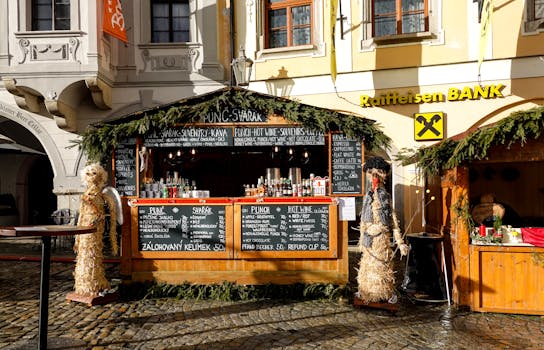
No visit to a Czech Christmas market would be complete without indulging in its unique seasonal foods. The Czech Republic is renowned for its hearty winter fare, and the markets bring these culinary traditions to life. Among the must-try treats:
- Trdelník: A sweet, chimney-shaped pastry dusted with sugar and cinnamon, freshly baked over open flames. - Svařák: Czech mulled wine, spiced and served hot, perfect for warming up on frosty evenings. - Pražené mandle: Roasted almonds coated in caramelized sugar, filling the air with irresistible aroma. - Klobása: Grilled sausages, often served with rye bread and spicy mustard.In addition, you’ll find traditional Christmas cookies (vánoční cukroví), mead (medovina), and even carp sandwiches, reflecting the Czech custom of eating fish for Christmas dinner. For those with children, hot chocolate and fruit punch are widely available.
Supporting local artisans is another highlight. Stalls brim with hand-painted glass ornaments, wooden toys, and traditional Czech pottery, making for meaningful holiday gifts and souvenirs.
Top Czech Christmas Markets: Where to Experience the Magic
While Prague’s markets are the most famous internationally, nearly every town and city in the Czech Republic hosts its own festive market. Each has its unique charm, local customs, and specialties. Below is a comparison of some of the most notable markets across the country:
| Market | Location | Typical Dates | Unique Features | Annual Visitors (approx.) |
|---|---|---|---|---|
| Old Town Square | Prague | Late Nov - Jan 6 | Giant Christmas tree, live concerts, nativity scene | 800,000+ |
| Wenceslas Square | Prague | Late Nov - Jan 6 | Central location, diverse food stalls | 600,000+ |
| Brno Christmas Market | Brno | Late Nov - Dec 23 | Moravian wine tasting, craft workshops | 400,000+ |
| Olomouc Christmas Market | Olomouc | Late Nov - Dec 23 | Historic ice rink, punch tasting | 200,000+ |
| Český Krumlov Advent Market | Český Krumlov | Dec weekends | Fairytale setting, medieval traditions | 50,000+ |
Each market reflects regional flavors and customs. For example, Brno’s markets are famous for Moravian wines and local cheeses, while Olomouc is known for its unique Advent punch. Smaller towns, such as Telč or Kutná Hora, offer more intimate settings with a strong focus on local crafts and folklore.
Music, Performances, and Community: The Heartbeat of the Markets
Live entertainment is a cornerstone of the Czech Christmas market experience. Throughout the Advent season, stages host an array of performances: school choirs, folk ensembles, brass bands, and even classical concerts. Caroling is especially popular, with traditional Czech carols like "Nesem vám noviny" (We Bring You News) echoing through the squares.
Many markets feature daily programs for children, ranging from puppet shows to storytelling sessions that celebrate Czech legends and fairy tales. Visitors may also witness costumed historical parades, demonstrations of old crafts, and even open-air theater. In some towns, the markets double as venues for charity events, community fundraisers, and public holiday blessings.
The communal spirit is palpable. Locals and visitors alike gather to chat over a cup of svařák, share stories, and enjoy the warmth of togetherness that defines Czech Christmas. It’s not uncommon for strangers to strike up conversations or for impromptu sing-alongs to erupt around the market’s main tree.
Preserving and Adapting Traditions: Christmas Markets in the Modern Era
While Czech Christmas markets are steeped in tradition, they continue to evolve. In recent years, there has been a renewed emphasis on sustainability and supporting local businesses. Many markets have phased out plastic packaging, encouraged the use of reusable cups, and prioritized regional products. In 2022, Prague’s Old Town Square market banned single-use plastics, setting a trend for eco-friendly holiday celebrations.
Digital innovation has also entered the scene. Some markets now offer interactive mobile guides, contactless payments, and virtual tours, making the experience accessible to a global audience. Despite modern touches, the markets remain steadfast in their mission to celebrate Czech heritage, foster community, and create lasting memories for generations.
In 2019, the Czech Republic welcomed more than 10 million international visitors, with Christmas markets cited as a top winter attraction. Even during challenging times, such as the COVID-19 pandemic, communities found creative ways to keep the spirit alive, from online concerts to drive-through Advent displays.
Final Reflections: What Awaits You at Czech Christmas Markets
The history and traditions of Czech Christmas markets offer a captivating blend of old-world charm and vibrant festivity. From the ancient squares of Prague to the fairytale streets of Český Krumlov, these markets embody the Czech spirit of hospitality, creativity, and celebration. Whether you come for the music, the food, the crafts, or simply to soak up the atmosphere, visiting a Czech Christmas market is an unforgettable way to experience the magic of the season.
For those seeking authentic cultural immersion, these markets are an ideal destination. You’ll leave not just with souvenirs, but with a deeper understanding of Czech history, traditions, and the enduring joy of community celebration.