Czech bars are legendary across Europe for their lively atmosphere, friendly locals, and an impressive array of drinks that reflect both national pride and centuries of brewing and distilling traditions. Whether you’re a first-time visitor to Prague or a seasoned expat, understanding what drinks are most popular in Czech bars offers a window into the country’s culture and social life. From iconic beers and local spirits to innovative cocktails and non-alcoholic favorites, Czech bar menus are as diverse as the clientele they serve.
In this guide, we dive into the most popular drinks you’ll encounter in Czech bars, explore their origins, and share insider tips for enjoying them like a local. You’ll also find a handy comparison table, as well as key statistics and facts that reveal why Czech drinking culture is truly unique.
The Reign of Czech Beer: More Than Just a Lager
Beer isn’t just a beverage in the Czech Republic—it’s a way of life. The Czechs consume more beer per capita than any other country in the world. According to the Czech Beer and Malt Association, in 2022, the average Czech drank about 135 liters of beer, which translates to roughly 270 pints per person annually.
The most iconic Czech beer is Pilsner, originating from the city of Plzeň in 1842. This golden, crisp lager set the standard for the "pilsner" style now brewed worldwide. Brands like Pilsner Urquell, Staropramen, and Budweiser Budvar dominate bar taps, but you’ll also find a burgeoning craft beer scene offering everything from IPAs to dark lagers.
In most Czech bars—locally known as hospody or pivnice—you’ll notice that beer is usually served in half-liter mugs (0.5L), though smaller 0.3L glasses are also available. Czechs take pride in the quality of their pour, often expecting a thick, creamy head (known as "čepice").
Beer styles commonly found in Czech bars include: - Světlý ležák (pale lager) - Tmavé pivo (dark beer) - Polotmavé pivo (amber or semi-dark beer) - Various seasonal or craft alesMany bars feature "tank beer" (tankové pivo), unpasteurized and delivered straight from the brewery for superior freshness. For visitors, experiencing a freshly poured Pilsner Urquell tank beer at a bustling Prague bar is a must.
Traditional Czech Spirits: Distilled Heritage in Every Glass
While beer may be king, Czech bars also showcase a fascinating variety of local spirits, each with a unique story and flavor profile. The most famous of these is Becherovka, an herbal bitters liqueur from Karlovy Vary, created in 1807. With its secret blend of over 20 herbs and spices, Becherovka is often enjoyed as a digestif, served chilled in a shot glass.
Other beloved spirits include: - Slivovice: A potent plum brandy with 40-50% alcohol, especially popular in Moravia. - Tuzemák: A domestic rum-like spirit made from sugar beets, often mixed with cola or in cocktails like "Cuba Libre." - Fernet Stock: A bitter herbal spirit, typically consumed as a shot or mixed with tonic (a local favorite known as "Bavorák").In recent years, Czech gin and whiskey distilleries have also gained traction, with innovative brands such as Garage 22 Gin making appearances on cocktail menus.
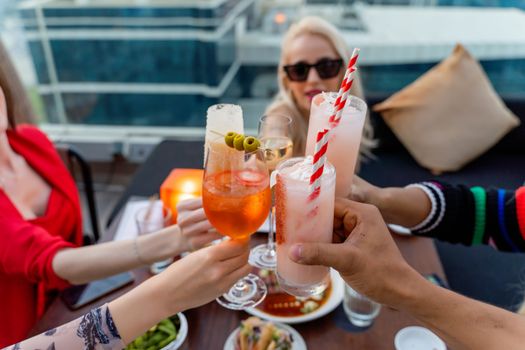
Drinking rituals are an essential part of the Czech experience. Locals often toast with "Na zdraví!" (To your health!) and maintain eye contact before sipping. Sharing a round of shots is a common way to celebrate or welcome newcomers.
Cocktails in Czech Bars: Tradition Meets Modernity
Though Czech beer and spirits dominate the scene, the cocktail culture in the country’s bars has flourished in the past decade. Major cities like Prague and Brno now boast award-winning cocktail bars where creative bartenders blend Czech ingredients with international flair.
Classic cocktails remain popular, with Mojitos, Gin & Tonics, and Old Fashioneds frequently ordered. However, many bars offer signature drinks that incorporate local flavors. For example, the "Prague Mule" swaps vodka for Becherovka and adds apple juice for a Czech twist on the classic Moscow Mule.
Notable trends in Czech cocktail bars include: - Using local herbs, honey, and fruit in house-made syrups and bitters - Crafting cocktails with Czech gins and fruit brandies - Reviving historical recipes, such as the "Beton" (Becherovka + tonic), a 1960s creation that won international acclaim at Expo '67 in MontrealHigh-end bars like Hemingway Bar and Anonymous Bar in Prague have gained international recognition, ranking among Europe’s best for their inventive menus and immersive atmospheres.
Non-Alcoholic Favorites: More Than Just Soft Drinks
Czech bars are also accommodating to those who prefer non-alcoholic options. One standout is Kofola, a unique Czech "cola" developed in 1959, which outsells international brands like Coca-Cola and Pepsi in many local establishments. With its herbal, slightly bitter flavor, Kofola is an acquired taste but beloved by locals.
Another common sight is Malinovka, a raspberry lemonade that’s especially refreshing in summer. Non-alcoholic beers, such as Birell and Radegast Nealko, are widely available and provide a great alternative for designated drivers or those seeking a lighter option.
Coffee culture is strong in Czech cities, and many bars double as cafes during the day, serving espresso, cappuccino, and traditional Turkish-style coffee.
Comparing the Most Popular Drinks in Czech Bars
To better understand the Czech bar scene, here’s a comparison of the most popular drinks by category, alcohol content, typical serving size, and average price as of 2024:
| Drink | Type | Alcohol Content | Typical Serving Size | Average Price (CZK) |
|---|---|---|---|---|
| Pilsner Urquell (Tank Beer) | Lager Beer | 4.4% | 0.5 L | 50-65 |
| Becherovka | Herbal Liqueur | 38% | 0.04 L (shot) | 45-60 |
| Slivovice | Fruit Brandy | 40-50% | 0.04 L (shot) | 50-80 |
| Kofola | Soft Drink | 0% | 0.5 L | 35-50 |
| Beton (Becherovka + Tonic) | Cocktail | ~9-12% | 0.3 L | 80-120 |
| Non-Alcoholic Beer | Beer (Alcohol-Free) | <0.5% | 0.5 L | 35-55 |
These prices and alcohol percentages are averages and may vary by bar location and brand.
Regional Specialties and Seasonal Offerings in Czech Bars
While the above drinks are staples across the country, many Czech regions offer their own specialties. In southern Moravia, for example, bars and wine cellars often serve burčák—a lightly fermented, cloudy young wine available from late August through October. This sweet, effervescent drink is a highlight of the harvest season and best enjoyed fresh.
In the mountainous Krkonoše region, you might find horký grog (hot rum, water, sugar, and lemon), especially in winter. Medovina (mead), a honey-based alcoholic beverage, is also popular at Christmas markets and in traditional pubs.
During annual festivals or special occasions, bars may offer unique versions of classic drinks, such as cherry-infused slivovice or limited-edition craft beers, reflecting the Czech penchant for celebrating local flavors and traditions.
Why Czech Bar Culture is a Must-Experience
The popularity of certain drinks in Czech bars is deeply intertwined with social customs and national identity. Czechs view their pubs and bars not just as places to drink, but as community hubs where friendships are forged and stories are shared.
Statistics reveal that there are over 50,000 bars, pubs, and cafés across the Czech Republic, according to the Czech Association of Hotels and Restaurants. This density, combined with affordable prices and high-quality offerings, makes the Czech drinking scene accessible to both locals and visitors.
Whether you’re sampling a classic Pilsner, toasting with a round of slivovice, or sipping a craft cocktail, Czech bars offer an authentic taste of the country’s history and hospitality. Embracing the local drinks is one of the best ways to connect with Czech culture—just remember to say "Na zdraví!" with every clink of the glass.